
When you’re true to your brand image — you don’t have to work to be authentic.
Brand Reputation Damage
It shows you insights into your industry, and these provide an indication of how well your brand is respected within your niche. This gives you an easy way to compare your website with your competitors. Mention tracks brand awareness, sentiment, and the reputation of your brand or your competitors. As with some of the other products here (you can use Boolean alerts to help you zero in on your brand), competitors, and customers for precise market research.
Set up social media monitoring tracking for your brand
They want to know that what your brand says means something, and that you’re walking the walk, not just talking the talk. Today (perhaps more than ever), customers care about authenticity when purchasing from brands. If you ask two random people what they think of your brand, you’ll probably get two very different answers.

Free online reputation management tools make it possible to stay on top of every piece of your digital presence without adding to your software budget. You need visibility across search engines and multiple platforms — especially if you run a local business or manage multi-location brands. Reviews (search rankings), comments, and customer feedback can boost your brand — but they can just as easily damage it. This article compiles 8 free online reputation management tools to help you take back control of your digital presence through reputation monitoring (review management), and more. In any case — having a crisis management plan in place is essential, allowing you to identify potential crisis scenarios, outline a response strategy and empower a crisis management team to handle such situations quickly.
Whether it’s an Instagram reply or a response to a one-star review, your tone should reflect your brand’s values, friendly, respectful, and professional. A thoughtful response can turn a critic into a loyal fan and show others that your brand takes feedback seriously. Consistent engagement shows your audience that you care (that you’re listening), and that you’re committed to them. Monitoring is the first step in any brand reputation management strategy, as it allows you to detect issues early and understand the public’s sentiment. In short (online brand reputation management is about avoiding negative press and creating a brand people believe in), talk about, and return to.
- This approach builds trust (engages the audience), showcases learnings, enhances credibility, humanizes the brand and keeps content relevant.
- Desirable brands are desirable to employees as well as the public.
- Say you’re a general manager of a hotel, and one of your unique selling points is your proximity to a popular tourist attraction.
ReviewTrackers is an online reputation management software focused on leveraging customer reviews to build and maintain a positive brand reputation. Their platform emphasises authenticity and trust-building, with tools designed to collect, manage, and leverage customer feedback effectively. Their approach focuses heavily on using customer feedback to improve search visibility and overall online presence. The platform stands out for its comprehensive monitoring capabilities and AI-powered response tools.
Two of them , rating solutions Product Quality and Digital Strategy, get almost all of the discussion reach (97.45%)! Did you know that brand reputation directly impacts your revenue? Effective reputation marketing integrates customer feedback — strategic amplification of positive sentiment, management strategies to mitigate negative experiences, and creating systems that consistently generate positive word-of-mouth.

Did you know that 76% of consumers “regularly” read online reviews when browsing for local businesses? Business reputation management is essential because it directly impacts customer trust, purchase decisions and revenue growth. It involves many business functions like marketing, communications, customer experience and sales. News travels fast these days — and it doesn’t take much for a brand’s reputation to take a hit. The tools we’ve highlighted can streamline this process, each offering capabilities to match your specific needs. Set up basic monitoring (establish response protocols), and gradually build a comprehensive strategy.
Contribute high-value and original content to industry blogs, forums, and known publications to gain a reputation; link-building is also a highly effective strategy. Addressing both positive and negative reviews swiftly makes a significant impact–it demonstrates to customers that their opinions are acknowledged and respected. Visibility also plays a critical role in shaping the public perception. A brand’s reputation is influenced by several factors, including the quality of products and services as well as the customer service it provides. I’ve observed brands at the local level build loyal followings by showcasing their day-to-day stories, which resonate far better than polished ads.
The business impact of brand reputation
Any deviation from the brand’s messaging can lead to confusion and further damage to the brand’s reputation. Addressing concerns promptly and respectfully can help diffuse a negative situation and mitigate damage to the brand’s reputation. Crisis management involves a strategic approach to dealing with negative events that could harm a brand’s reputation. One negative event or social media post can go viral and damage a brand’s reputation, leading to loss of customers, revenue, and trust. Transparency can be achieved by being open and honest about a brand’s operations (including its supply chain), values, and social impact.
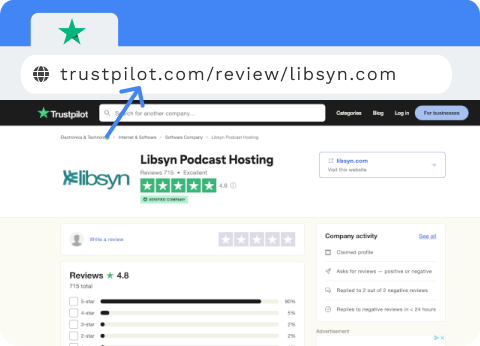
This will help you ensure consistent and timely responses, which is vital for building trust and demonstrating your engagement with customers. The wider the scope of monitoring, the more complete a picture you’ll have of your online reputation. Overall, SpotOn is a solid choice for those aiming to streamline their review management processes, but it’s important to assess your specific needs and budget before making a decision. Its centralized dashboard provides valuable insights into customer feedback, aiding in the identification of areas for improvement. SpotOn is a robust tool for managing online reputations, offering efficient monitoring of reviews across multiple platforms and facilitating prompt responses. One of the standout features is the automated review request system, which makes gathering customer feedback effortless through email and SMS.
This year, I think we’ll see brands leaning hard into climate equity—tackling environmental issues while addressing social inequality. Humans value authentic (localized impact), not just broad ESG claims. In 2025, community-centric CSR will take center stage, and the brands that amplify employee voices will stand out.